How Early Collaboration Between Integrators and Builders Saves Time, Money, and Headaches
A Partnership that Reduces Costs & Increases Client Satisfaction
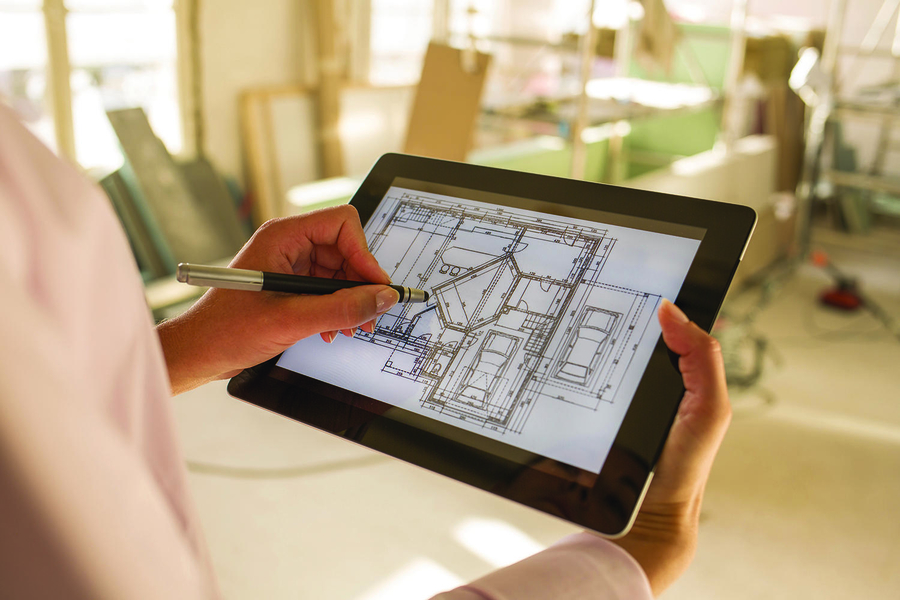
As home automation becomes the norm rather than the exception, integrators and builders must work together to provide optimal design and functionality for new builds and those embracing smart home living. This partnership ensures that technology enhances design rather than disrupting it, delivering an effortless user experience.
When you incorporate early collaboration into the design phase, costly rework and design conflicts disappear. Here, we’ll explore the common mistakes that occur when integrators are brought in as an afterthought.
SEE ALSO: 5 Top Considerations for Architects Incorporating Smart Home Automation
Importance of Collaborating with Integrators in the Design Phase
Plumbers and electricians coordinate with general contractors and architects to ensure seamless construction, and that electrical conduit paths and plumbing routes don’t conflict with other systems. Similarly, integrators coordinate with builders, architects, and designers to guarantee that wiring for smart home systems, security cameras, audio-video equipment, and motorized shades does not conflict with other systems and that the design elements align with the client’s and interior designer’s vision.
The following are a few examples of the issues that arise when best practices for integrating smart home technology are not addressed.
- Plumbers accidentally block the shade pockets.
While smart technology is in high demand, today’s homeowners want the benefits it offers without compromising their home's aesthetics. An example is motorized shades, which provide extreme convenience.
Shade pockets or recessed areas are commonly used to hide motorized shades when retracted, creating a sleek, uncluttered appearance. However, should plumbers install infrastructure in these areas, such as access panels, pipes, and vents, conflict arises. Surface-mounted shading systems become the alternative, a more obtrusive and less design-conscious solution. Early collaboration and communication ensure issues like this don’t occur.
- The walls are up, and the conduit paths are set before the integrator is contacted.
Smart home systems rely on robust network architecture, dedicated power circuits, and strategic low-voltage wiring to ensure the system works as intended, without frustrating delays or glitches. When integrators are brought into the project after the electrical rough-in and the walls are up, options become limited. It's not uncommon for homeowners to discover too late that they could have added a media room with a TV tucked away in the ceiling, or lighting fixtures that elevate every room with layered lighting design and adjustable LED illumination. By this point, installing these systems would require lengthy renovations and higher costs.
When looped in ahead of time, the integrator can discuss the many options in smart home technology and home entertainment, ensuring a satisfied client who realized a long-time dream.
- HVAC ducts are installed in a way that interferes with the whole-home audio system.
Whole home audio has become one of the most popular home entertainment systems, and for good reason. It brings high-fidelity music and audio to every room, effortlessly controlled. To accomplish this, speakers are strategically placed throughout the home. Instead of bookshelf or floorstanding speakers, people turn to in-ceiling and in-wall speakers to preserve their home’s aesthetics.
One problem that arises with these systems is when HVAC ducts are installed in areas where ceiling speakers need to go, requiring significant redesign and resulting in a system that doesn’t perform as intended. The result is budget overruns and costly delays.
Partnering with Smart Home Integrators
As more builders discover that integrators save them time and money while elevating their clients’ experience, long-term partnerships are forming. These partnerships support the entire project team, enabling them to work smarter, not harder, through efficiency, communication, and foresight. These professionals are finding that getting the integrator involved early isn’t a luxury; it’s today’s standard practice.
At SmartHome Solutions, Inc., we partner with builders at the blueprint stage, working together to integrate our client’s smart home wish list seamlessly. To learn more about the services we provide and what it means to work with a smart home integrator, contact SmartHome Solutions, Inc.


